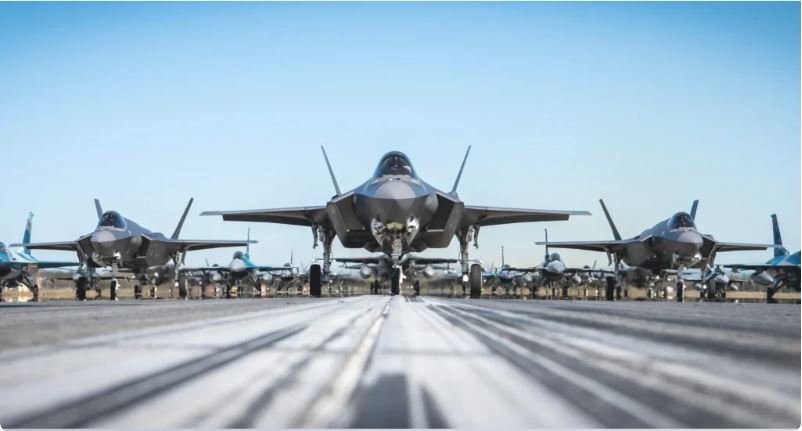
In a major show of growing global military cooperation, the Netherlands has joined the United States and Japan in a historic trilateral air force exercise, marking a significant step in strengthening Indo-Pacific security and allied airpower coordination.
Historic First: Dutch F-35s Land in Japan
For the first time ever, the Royal Netherlands Air Force deployed its advanced F-35 stealth fighter jets to Japan, participating in a joint exercise named “Kazaguruma Guardian 2026.” The drills began on March 23, 2026, at Misawa Air Base in northern Japan.
This milestone highlights how European forces are now actively contributing to security efforts beyond NATO regions, especially in the strategically important Indo-Pacific.
What Makes This Exercise Special?
The trilateral exercise brings together three powerful air forces:
- 🇳🇱 Netherlands: 4–5 F-35 jets + A330 tanker
- 🇺🇸 United States: F-35 and F-16 fighter jets
- 🇯🇵 Japan: F-35 fighter fleet
The main goal? Interoperability — ensuring all three nations can operate seamlessly in real combat scenarios.
This includes:
- Coordinated air combat missions
- Real-time data sharing
- Advanced stealth operations
- Joint tactical planning
Why Indo-Pacific Matters Now
The Indo-Pacific region has become a global hotspot due to rising geopolitical tensions and increasing military activity. This exercise sends a clear message:
👉 Allied nations are strengthening their presence and readiness in the region.
The Netherlands’ participation also shows that:
- NATO allies are expanding beyond Europe
- Global security is becoming more interconnected
- Democracies are aligning for collective defense
Power of the F-35 in Modern Warfare
At the center of this exercise is the F-35 Lightning II, one of the world’s most advanced fighter jets. Its key advantages include:
- Stealth technology (low radar visibility)
- Advanced sensors and data fusion
- Real-time battlefield awareness
- Network-centric warfare capability
These features allow multiple allied aircraft to operate as a single, connected force, which is crucial in modern combat.
Strengthening Global Alliances
The exercise is more than just training — it reflects a broader shift in global defense strategy:
- The Netherlands is now capable of operating in both European and Indo-Pacific theaters
- The US continues to act as a bridge between NATO and Asia-Pacific allies
- Japan is deepening ties with Western partners for regional stability
This trilateral cooperation also builds on previous joint drills and growing defense partnerships among these nations.
Duration & Future Impact
The exercise runs until April 3, 2026, and is expected to:
- Improve joint combat readiness
- Enhance rapid response capabilities
- Strengthen long-term military cooperation
Experts believe such exercises could become more frequent as global tensions evolve.
Final Takeaway
The Netherlands joining the US and Japan in this first-ever trilateral F-35 exercise marks a new era of global military collaboration. It’s not just about fighter jets — it’s about building a unified defense network capable of responding to modern threats anywhere in the world.
As geopolitical dynamics shift, exercises like “Kazaguruma Guardian” signal one clear trend:
👉 Allied airpower is becoming faster, smarter, and more connected than ever before.